2019
The United States and Korea amend their free trade agreement, committing to "a stable and predictable environment for investment.
Exposing the South Korean government's harassment campaign against U.S. companies and their executives, as they seek to benefit domestic incumbents and the CCP
The Korean government has silenced dissenting voices and intimidated Korean media into toeing the official government narrative.
Here's the real story.
What is going on?
For decades, the U.S. and South Korea have built one of the strongest economic partnerships in the world. American capital and technology helped fuel Korea's rise, while Korean companies and workers strengthened the U.S. economy.
That partnership depends on one basic rule: companies should compete on the merits. Success should be met with fair competition, not political retaliation.
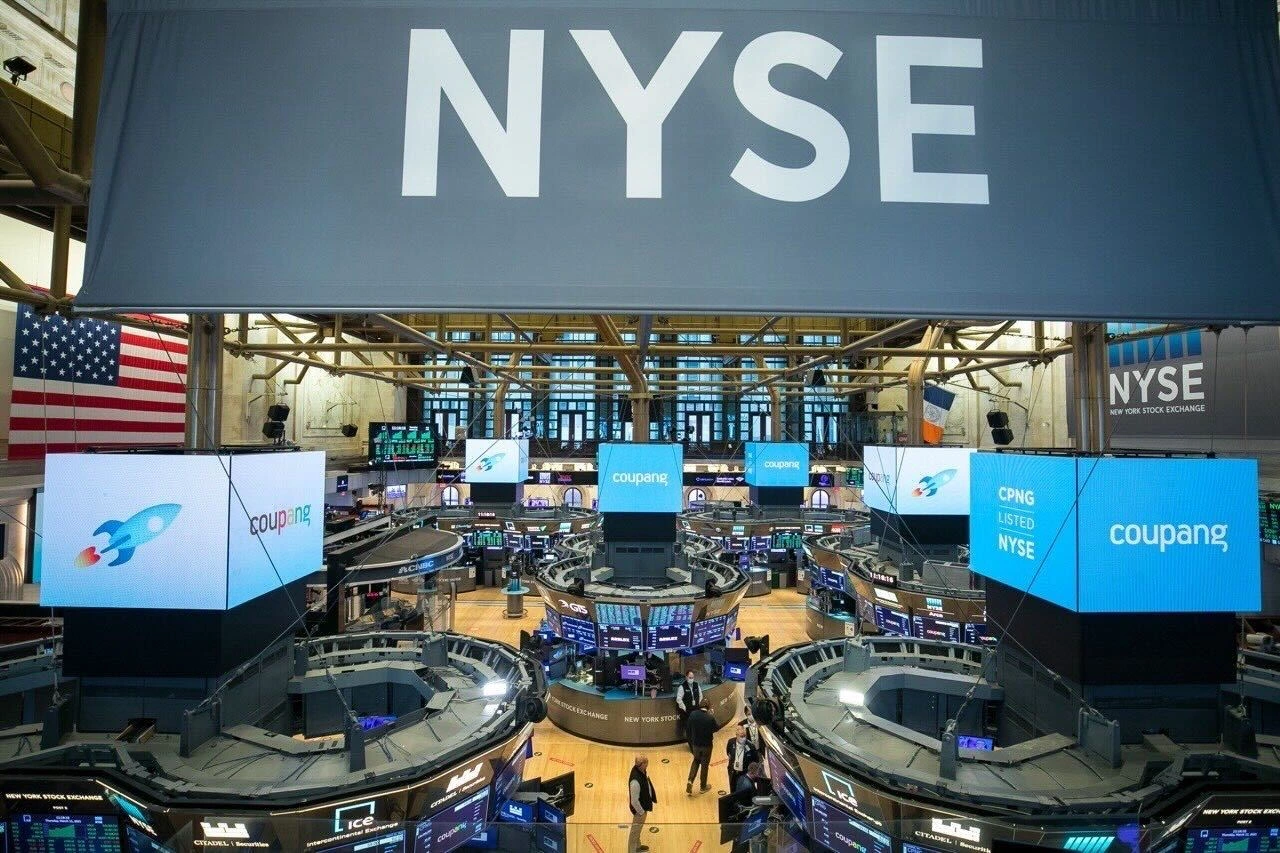
Over the last decade, Coupang, an American company beloved by Korean consumers and the second largest employer in Korea, employing nearly 100,000 people, broke open a stagnant eCommerce market by offering lower prices, faster delivery, and better service.
But as Coupang grew, the Korean administration began targeting it with extraordinary government pressure that bore no resemblance to normal enforcement.
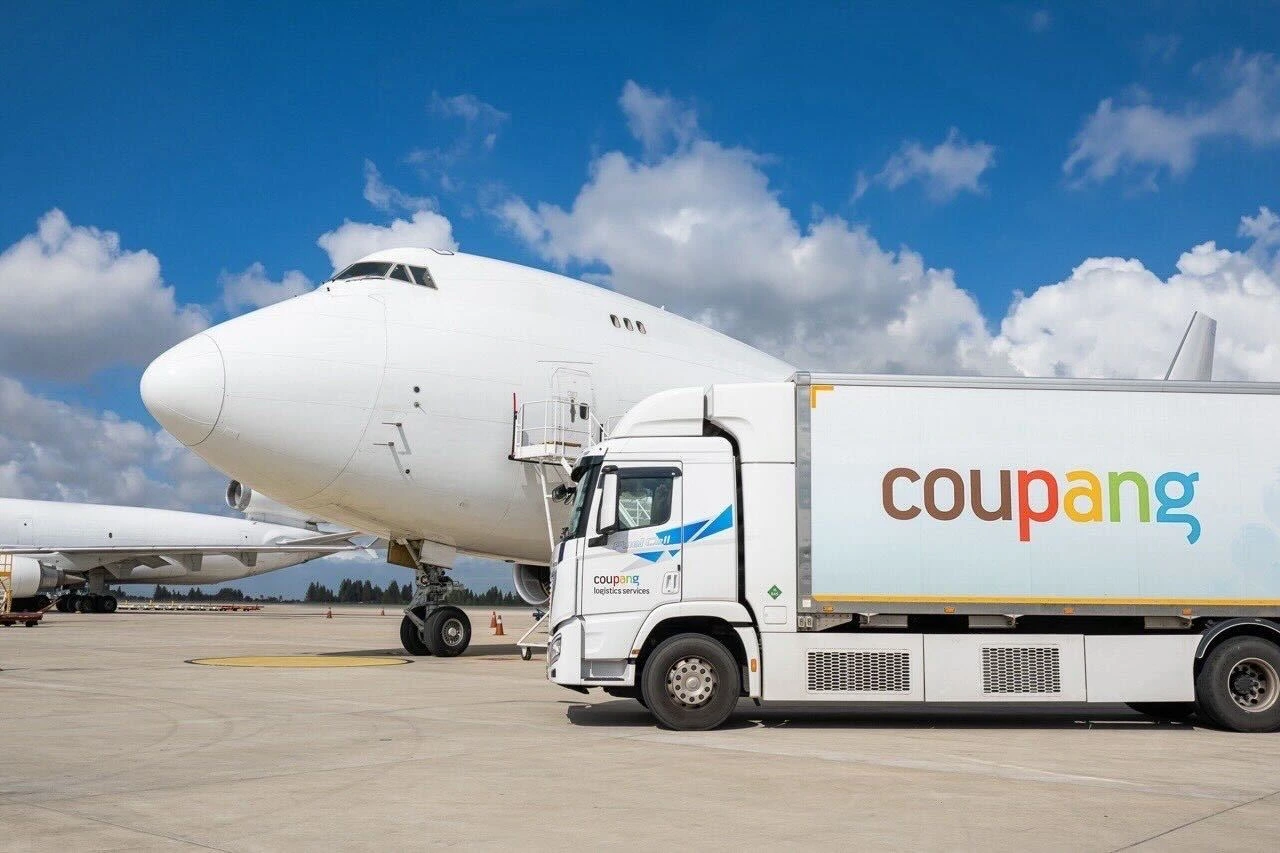
After a limited and contained data incident last year involving only ~3,000 downloaded accounts, the Korean administration falsely framed the incident as involving tens of millions of victims.
The ROK then used that incident as pretext to launch a coordinated campaign to unfairly cripple a successful American company at the expense of U.S. investors and for the direct benefit of China.
Coupang is the most recent example, but it is not the only one. For years, U.S. companies, especially in technology and digital services, have faced selective enforcement, disproportionate penalties, and regulatory harassment in Korea, revealing a broader pattern of discrimination against American firms that compete too successfully.
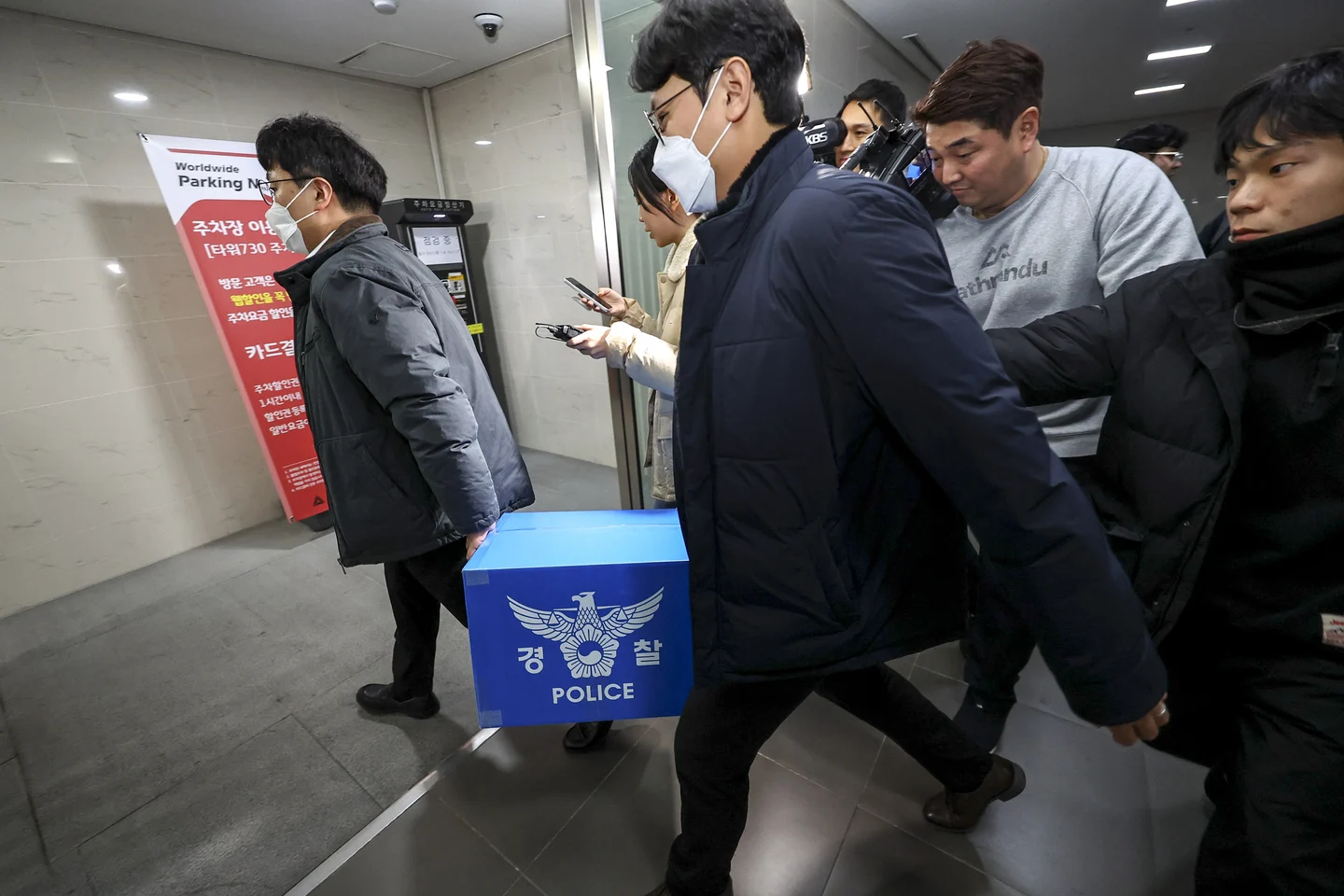
Over just the last two months, the Korean government has marshaled all of its resources to destroy a company that has improved the lives of millions of Koreans — because that company is American.
More than a dozen government agencies mobilized against a single company
Unprecedented deployments of government investigators across Coupang offices
Repeated raids and inspections unrelated to the alleged incident and designed as an administrative assault on Coupang
150-member tax audit task force focused solely on Coupang
86-officer police task force dedicated exclusively to the company
Emergency legislative hearings and public threats to suspend the company's operations
Pressure on Korea's National Pension Fund to divest from and blacklist Coupang
Efforts to block Coupang's access to capital and prevent routine financing transactions
Threats to jail or criminally charge Coupang executives who are responsible for no wrongdoing
In recent cases involving much larger breaches and far more sensitive data, the Korean government responded in a far more restrained way, showing just how extreme its treatment of Coupang has been.

Kakao Pay (2018-2024): Over six years, Kakao Pay deliberately transferred 54 billion data records covering 40 million Koreans, including sensitive financial information, to a Chinese company (Alipay). The response was limited to modest fines of about $15 million and a non-punitive warning to the CEO.

SK Telecom (April 2025): A breach at Korea's largest wireless carrier affected roughly 23-27 million customers and exposed highly sensitive data. Regulators imposed a fine well below the maximum allowed by law, launched no whole-of-government effort, and no senior official suggested the company should be shut down.

Upbit (November 2025): Hackers linked to North Korea stole more than $30 million in customer crypto assets and may have exposed user data. Authorities opened a probe and issued warnings, but there was no broader crackdown.

AliExpress (October 2025): The Chinese e-commerce platform suffered a hack involving highly sensitive information and millions of dollars in financial losses. Despite reports that AliExpress submitted false statements to officials, the government response was limited to a tepid request to "prevent recurrence."
| SK Telecom | Kakao Pay | Coupang | |
|---|---|---|---|
| Fine per customer's data stolen | ~$4.20 | ~$0.38 | ~$330,000 (threatened) |
| # of users whose data was stolen/retained | 23 million | 40 million | ~3,000 |
| Data type exposed | USIM authentication keys, IMSI, phone numbers (telecom credentials) | Payment/Credit information, account balances, payment transactions (financial data) | Contact information (names, email addresses, phone numbers, delivery addresses) |
| Security risk | High: SIM cloning, identity fraud, surveillance | High: Financial fraud; credit misuse | Low: No risk of financial fraud or account takeover |
| Police investigation | Standard investigation | Standard investigation | Multiple raids, 86-person task force |
| Agencies involved | 3 (PIPC, MSIT, Police) | 3 (PIPC, FSS, Police) | 11+ agencies (including National Tax Service, Labor Ministry, KFTC, Police, Customs), ~400 investigators |
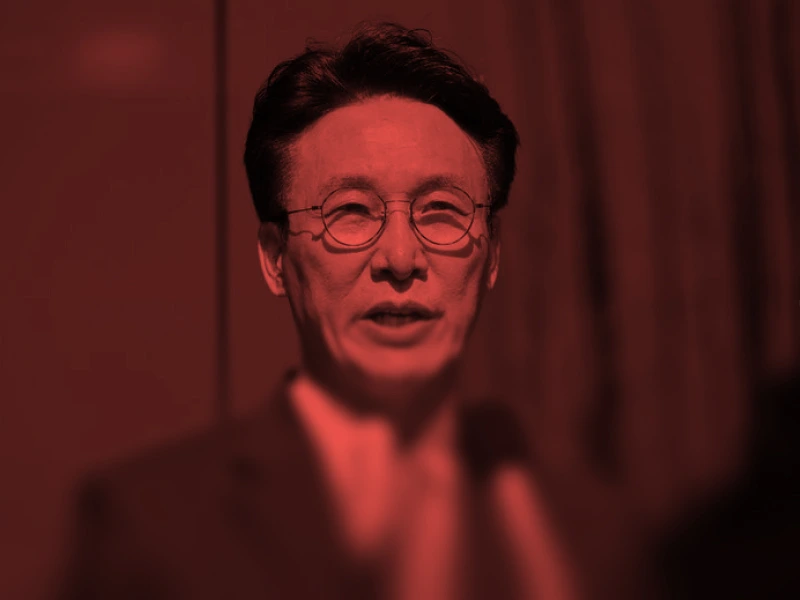
Prime Minister Kim Min-seok urged regulators to pursue Coupang "with the same determination used to wipe out mafias," stating there would be "no escape" for the company.
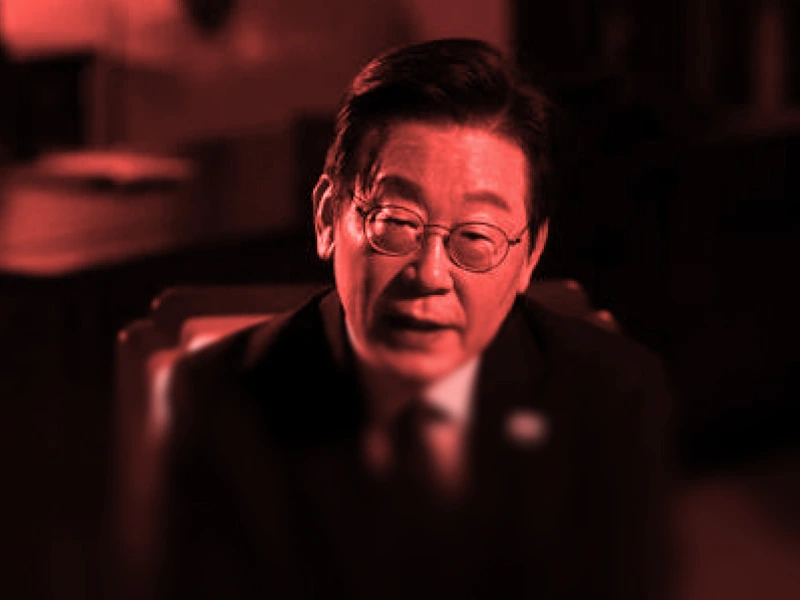
President Lee said Coupang should be hit with punitive fines "so severe that they go out of business" and called for revisions to the law that would permit higher fines that could be used against Coupang specifically.
Objectives: stop the discrimination, restore fair competition, enforce trade agreement obligations
U.S. investors are invoking protections under the U.S.–Korea Free Trade Agreement
Korea is being put on notice for its discriminatory and arbitrary treatment
The U.S. Trade Representative is being asked to investigate and respond to Korea's behavior
Coupang is not an isolated case. For years, U.S. companies, especially in technology and digital services, have faced unusually aggressive and discriminatory treatment in South Korea.
U.S. companies are disproportionately targeted by regulators. The Korea Fair Trade Commission has repeatedly subjected U.S. technology companies to raids, aggressive investigations, outsized fines, and threats of criminal prosecution for common industry practices.
U.S. firms have faced some of the largest fines in Korean history. Over the past decade, multiple U.S. companies, including Google and Qualcomm, have found themselves in the KFTC's crosshairs and subjected to extraordinary financial penalties.
Members of Congress have warned Korea repeatedly. In July 2025, 43 members of Congress warned that Korea's digital regulations impose disparate standards designed to disadvantage American companies, and legislation introduced in 2025 explicitly cited Korea's discriminatory digital policies as benefiting Chinese technology firms.
Recent commitments have not been honored. Despite Korea's November pledge to ensure U.S. companies are not discriminated against in digital services, the government's treatment of Coupang directly contradicts that commitment.
Less competition leads to higher prices and worse service for everyday essentials.
Innovation slows when successful companies are punished instead of challenged.
Consumer choice shrinks when the government picks winners and losers.
Nearly 100,000 jobs depend on Coupang.
Workers suffer when companies are targeted for political reasons and job creation slows as investment and opportunity leave the market.
Rules-based trade depends on good faith and equal enforcement.
Selective targeting undermines trade agreements and trust between allies.
When U.S. and allied capital flees, it is replaced by competitor capital that doesn't play by the rules.
Billions of dollars in U.S. retirement savings wiped out.
Trade agreements blatantly violated, reducing predictability.
Dangerous precedent for U.S. companies operating abroad.
The United States and Korea amend their free trade agreement, committing to "a stable and predictable environment for investment.
Coupang lists on the New York Stock Exchange, becoming a U.S.-listed public company widely held by American pension funds and long-term investors.
As Coupang gains market share, the Korea Fair Trade Commission opens an escalating number of investigations, tripling between 2021 and 2024.
Korean authorities subject Coupang and its affiliates to hundreds of audits, inspections, and raids. Before any data incident, Coupang had already received more KFTC penalties than any company in Korean history.
The ROK and United States announce a new trade agreement.
President Lee and President Trump reaffirm their common goal to increase mutually beneficial trade and investment, and ROK commits to ensuring that U.S. companies are not discriminated against.
Coupang discovers a limited data breach involving a former employee in China who retained data from approximately 3,000 customer accounts. The data did not include any financial information such as credit card data, Government-issued identification numbers, or login credentials.
Coupang publicly discloses the incident and begins extensive cooperation with Korean authorities.
A senior official at the Office of the President publicly inflates the scope of the breach, suggesting Coupang would have been shut down if it operated in the United States because of punitive damages.
Lawmaker claims it was "no exaggeration" to say that the personal data of all South Koreans over 14 years old was leaked. But this is a massive exaggeration—by more than four orders of magnitude. At the same session, another committee member called for the indictment of Bom Kim, a U.S. national.
Police raid Coupang's headquarters, beginning a pressure campaign that involves hundreds of government agents pressed into service as shock troops
Coupang's Korea CEO resigns under government pressure as enforcement escalates.
President Lee, while referring to Coupang's data breach, advocated for the creation of a class action system in Korea so there are penalties "strong enough to make companies fear they would collapse."
President Lee suggests the breach at Coupang was so severe that Korean law should be changed to permit even higher fines, despite public reports that existing law could already permit fines of over $800 million.
National Assembly hearing convenes, with lawmakers calling for Coupang to be "kicked out of South Korea" and to "go out of business." One official called the hearing "the beginning of the end" for Coupang.
The government announces an inter-ministerial task force that was later expanded, and which involves agencies with no normal role in data incidents.
Prime Minister Kim Min-seok urged Government regulators to approach enforcement against Coupang for the data breach "with the same determination used to wipe out mafias," adding that regulators should "not worry about staffing, and impose strong economic sanctions."
The National Tax Service forms a 150-member task force focused solely on Coupang, led by a division referred to in Korea as the "grim reaper" of the finance industry.
President Lee convenes an emergency meeting to discuss large-scale fines, license revocation, and punitive sanctions that could collapse the company.
Regulators amend security certification rules to include new grounds for revoking certificates, and launch an unrelated customs investigation.
National Assembly hearings, at which numerous DPK Representatives called for travel bans imposed against Coupang executives, for customers to abandon the company, the potential "suspension of business operations," ordering Coupang to divest its affiliates, and for criminal prosecution of Coupang executives.
Seoul Metropolitan Police create an 86-officer task force dedicated exclusively to investigating Coupang.
The government withheld approval for Coupang's plan to form a real estate investment trust to raise money to securitize its logistics centers.
Authorities requested inspections of all 387 Coupang facilities nationwide.
Authorities try to suppress true information about the data breach, ordering Coupang "to take down its independent probe results" and suggesting that a press release "could be considered as interfering" with an investigation.
Senior officials publicly state that Coupang's status as a U.S. company is "a problem" because it is not fully under Korean control.
PIPC Chairman falsely claimed it was "certain" that the personal information of more than 30 million Coupang members was leaked, and the scale might even grow.
After months of escalation and explicit threats to suspend operations, U.S. investors initiate formal action to enforce treaty protections.
House Judiciary Committee launches investigation into alleged discrimination by South Korean regulators against American tech companies, targeting Coupang.
WASHINGTON, D.C. – Today, House Judiciary Committee Chairman Jim Jordan (R-OH) and Subcommittee on the Administrative State, Regulatory Reform, and Antitrust Chairman Scott Fitzgerald (R-WI) continued an ongoing investigation into South Korea's discriminatory targeting of innovative American companies and issued a subpoena to Coupang, Inc. for documents an
This is becoming a flashpoint in U.S.-South Korea relations, and could impact U.S. investment in South Korean companies.